
Short answer
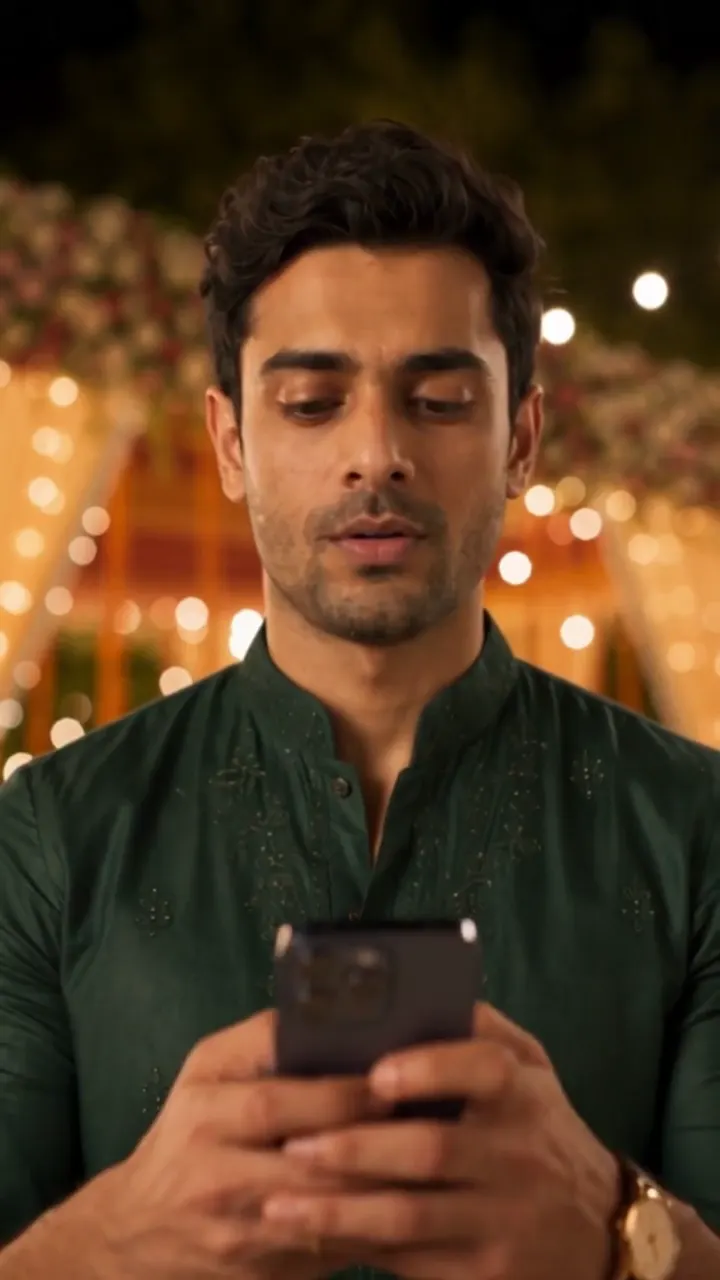
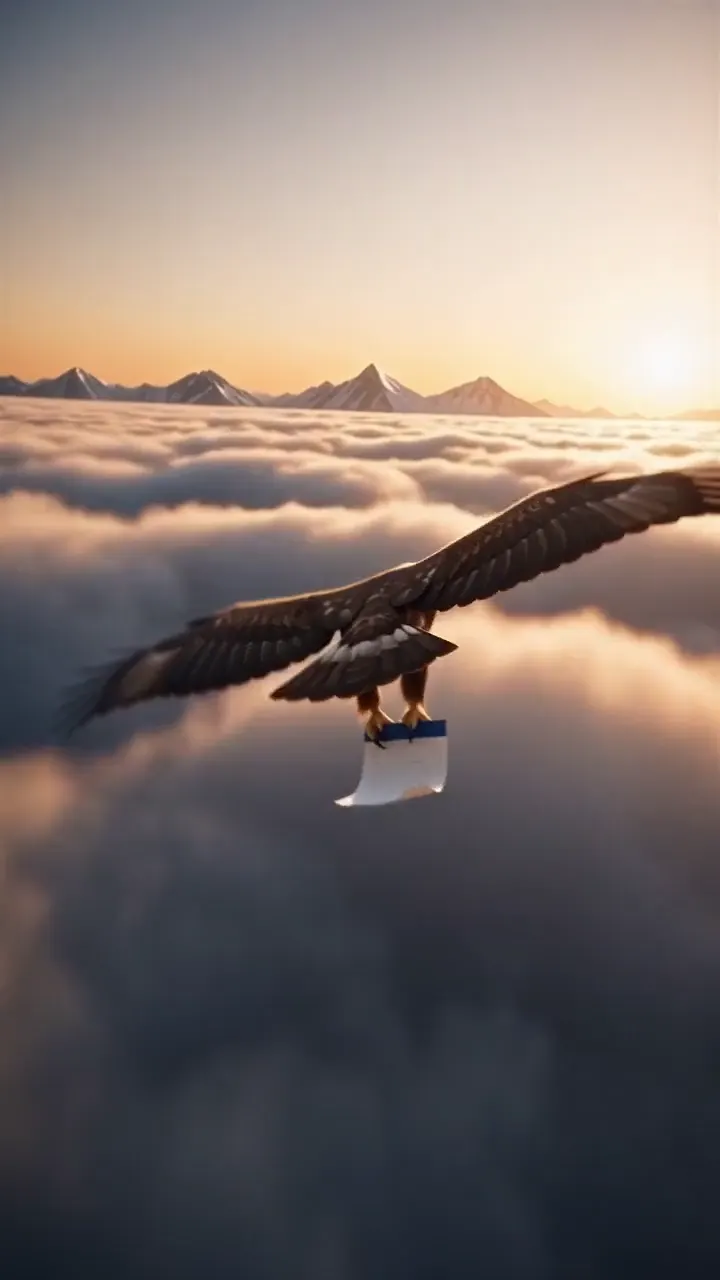
A strong vertical film is composed for 9:16 from the beginning; it is not a landscape commercial with the sides removed. The formats change subject scale, eye movement, negative space, on-screen text, pacing and the amount of information each shot can carry.
Key takeaways
What matters most
- Choose a hero format before storyboarding.
- Recompose important beats rather than relying on centre crops.
- Build campaign systems from shared ideas, not identical frames.
What changes when a story moves to 9:16?
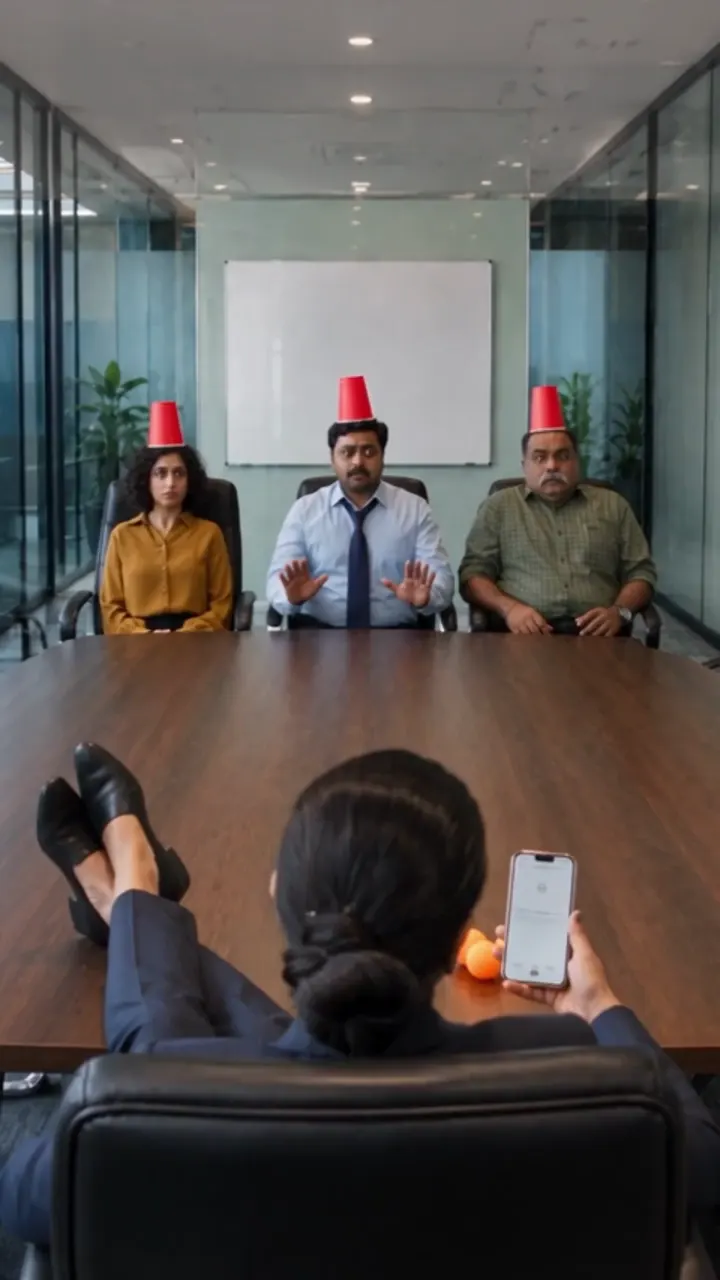
Portrait framing favours faces, gesture, vertical depth and direct visual hierarchy. Wide establishing shots often need to become stacked planes or closer fragments. Text must coexist with platform UI and remain readable on a small screen.
The first seconds also carry more pressure in a feed. A vertical hook must read without sound while still leaving room for the film to develop.
What does 16:9 do better?
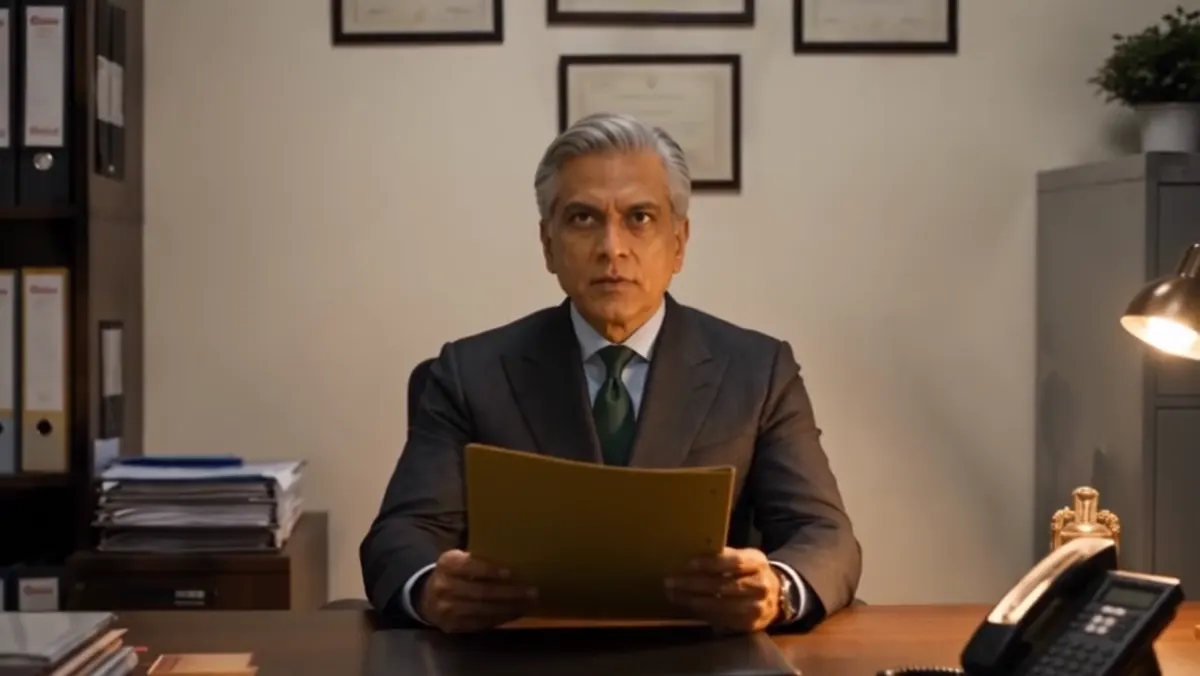
Landscape frames support ensemble staging, lateral movement, environments and cinematic negative space. They give a brand film room to reveal context and can carry more simultaneous visual information.
That does not make 16:9 slower by definition. It means the director can use width as part of the storytelling grammar.
How should a campaign use both formats?
Begin with one strategic idea, then decide which beats can share assets and which need native coverage. A 16:9 hero may establish the world while 9:16 films isolate characters, hooks or performance moments.
This preserves campaign consistency without forcing every output into the same composition.