
Short answer
AI-native production reduces commercial costs most effectively by removing expensive access problems: hard-to-secure locations, travel, large background casts, specialist units and repeated physical resets. The savings should protect the idea, not replace human writing, direction, editorial judgement, sound or finishing.
Key takeaways
What matters most
- Remove logistical overhead before reducing creative ambition.
- Spend human time on concept, performance, edit, sound and finishing.
- Design shots as a connected film, not as isolated generated images.
Where does conventional production become expensive?
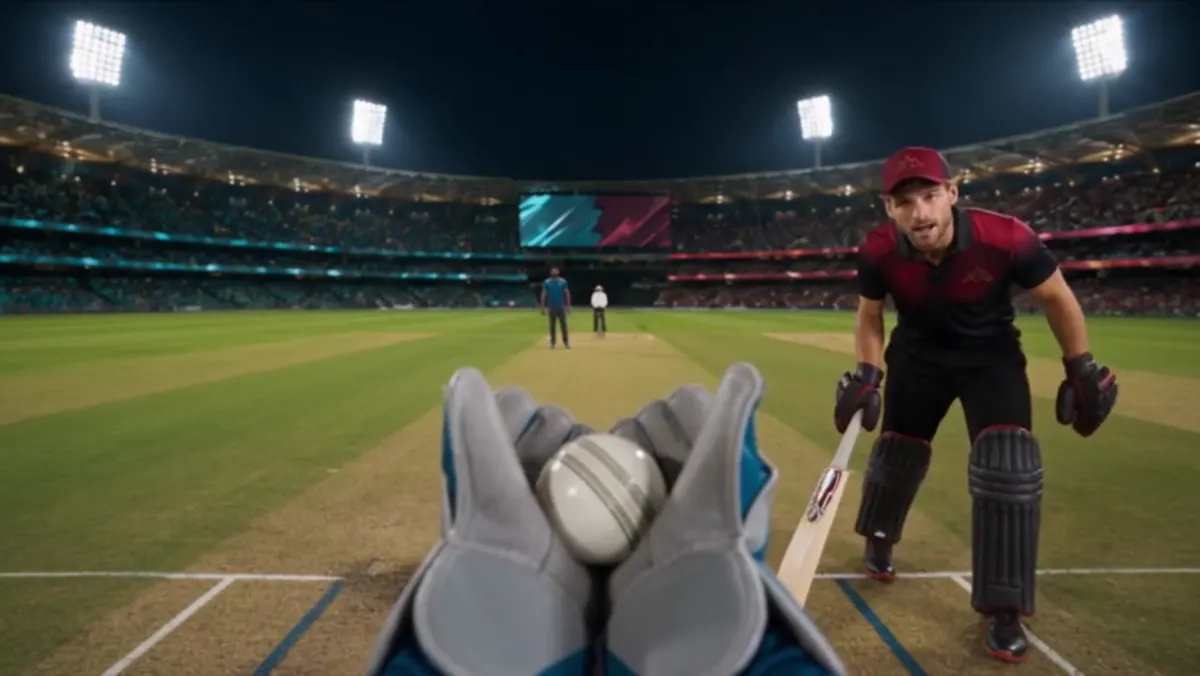
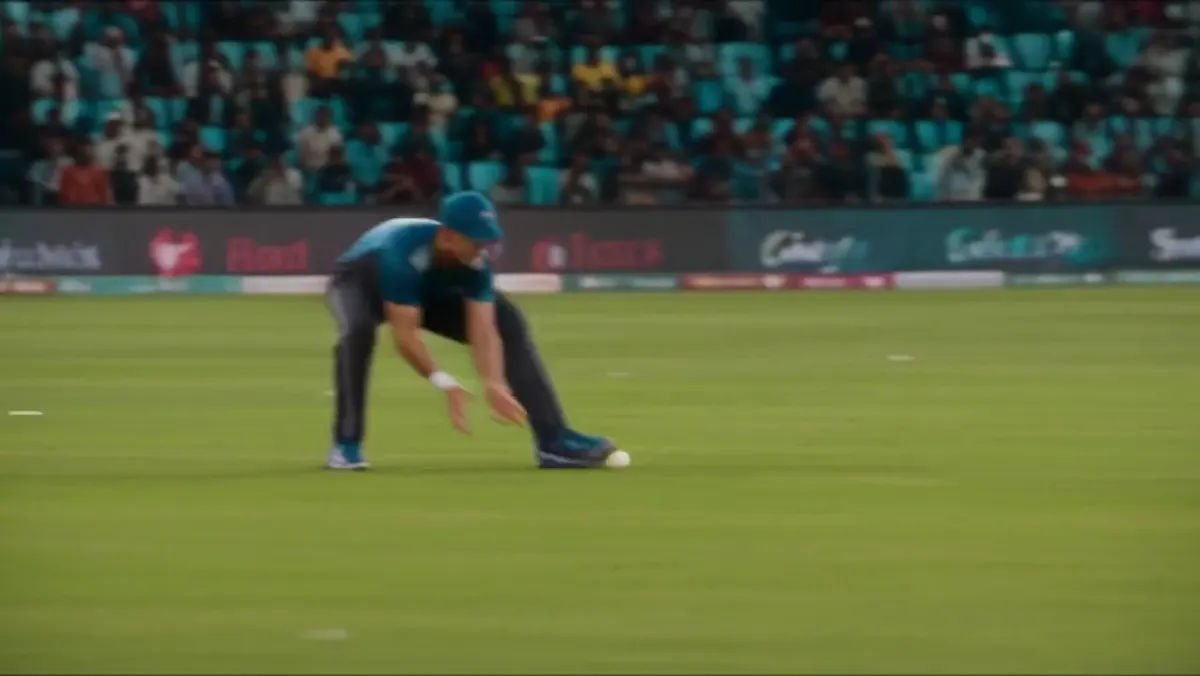
Commercial budgets rise quickly when a concept depends on access: a stadium, an aircraft, a mountain environment, a large crowd or several company moves. Those costs are real, but they do not automatically make the final idea clearer or more memorable.
AI-native production changes the equation by moving some location, casting and reset work into visual development. That makes ambitious worlds available to smaller productions while keeping the creative problem in human hands.
- Location hire and permissions
- Travel, accommodation and company moves
- Large extras calls and specialist units
- Weather risk and repeated physical resets
What should never be treated as the cheap part?
A generated frame is not a finished commercial. The premise still needs to be strategically useful. The script needs rhythm. Performances need direction. Shots need continuity, and the edit and sound design need to turn those shots into a film.
The strongest cost reduction comes from producing a difficult idea differently—not from removing the people responsible for taste and decision-making.
How do you protect quality while reducing overhead?
We establish the visual rules before final production: character references, environment logic, lens language, colour, shot purpose and the intended edit. That preparation reduces random iteration and gives every frame a reason to exist.
Quality is then protected through selection. Weak shots are rejected, not rationalised. Sound, pacing, typography and finishing are treated as part of production value rather than an afterthought.